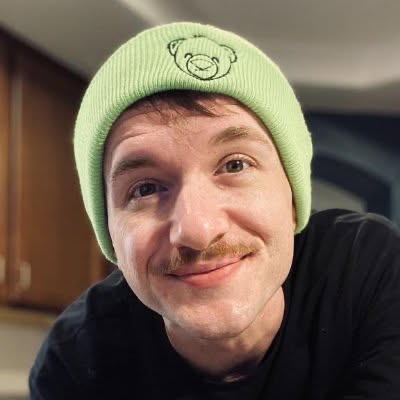
I have been autistic for forty-five years, diagnosed for fewer than ten. Most of you reading this know what that gap means. I am writing this letter because before Autism Acceptance World asks anything of the autistic community, I want to be clear about who I am, what I am building, and what I owe you.
Who I am
I grew up in Las Vegas. I am autistic. I spent two decades running digital marketing before I had a name for why I was good at what I was good at and bad at what I was bad at. I built a successful agency, an online presence, a portfolio of digital properties. I lost a marriage and a relationship with people I loved because masking is exhausting and unmasking is dangerous and there was no third option I could find.
My diagnosis at thirty-six was the relief and the grief that late-diagnosed adults will recognize. Relief because my entire life suddenly had a frame that fit. Grief because the next-day question was where do we go from here, and the answer turned out to be nowhere yet built. The autistic-led infrastructure I needed in 2009 did not exist in 2016 when I got my diagnosis, and it largely does not exist in 2026 either.
Autism Acceptance World is the thing I am building so that a thirty-six-year-old autistic adult in Las Vegas in 2030 does not have to go through what I went through in 2016. I am building it as an autistic founder, with autistic adults on the team, with autistic adults in the rooms where decisions happen. That is the bare minimum and I want to name it as the bare minimum.
What I owe the autistic community
The autistic community has been here longer than I have been claiming the identity in public, and I owe the people who built the language, the framework, and the political ground that I am building on. Jim Sinclair's "Don't Mourn For Us" in 1993 was the first thing I read that named what I had been failing to name. Judy Singer's neurodiversity work in 1998. The ASAN founders in 2006. The #ActuallyAutistic conversation on Twitter and Tumblr that taught me the difference between identity-first language and the person-first language I had been using to try to make my autistic-ness easier for allistic people to hear. The autistic-adult journalists, scholars, and self-advocates whose careers I have watched and whose work I have read.
I owe those people credit, deference, and care. I owe the autistic community as a whole the commitment that Autism Acceptance World will not become another parent-led, professional-led, or savior-narrative organization. The autistic-led posture is not a marketing position. It is a structural commitment. If Autism Acceptance World ever drifts away from autistic leadership in operational decisions, the community should hold the founders accountable and we should welcome the accountability.
What Autism Acceptance World commits to
Five commitments, in plain language.
One. Identity-first language as the default across every piece of Autism Acceptance World copy. Person-first language only appears when an individual person specifically requests it for themselves. No more "individuals with autism" or "people on the spectrum" in our institutional voice.
Two. No ABA promotion, no ABA referrals, no ABA partnerships. We will not relitigate this in our content. The autistic-adult community's verdict is consistent and we honor it. Families who want ABA can find it everywhere; what they cannot find easily are neurodiversity-affirming alternatives, and that is what we list, what we link to, and what our tools support.
Three. No cure narratives. No "fight against autism" framing. No puzzle pieces. The puzzle piece, for those who do not know the history, was Autism Speaks branding from 2005 and has been rejected by the autistic-adult community in formal statements going back two decades. We are not relitigating this either.
Four. No "inspirational" framing. Autistic adults living regular lives are not inspirational. Autistic kids hitting developmental milestones are not inspirational. We are people doing what people do. The framing that strips autistic people of their personhood to use their existence as inspiration for allistic people is exactly the kind of harm we are trying to undo.
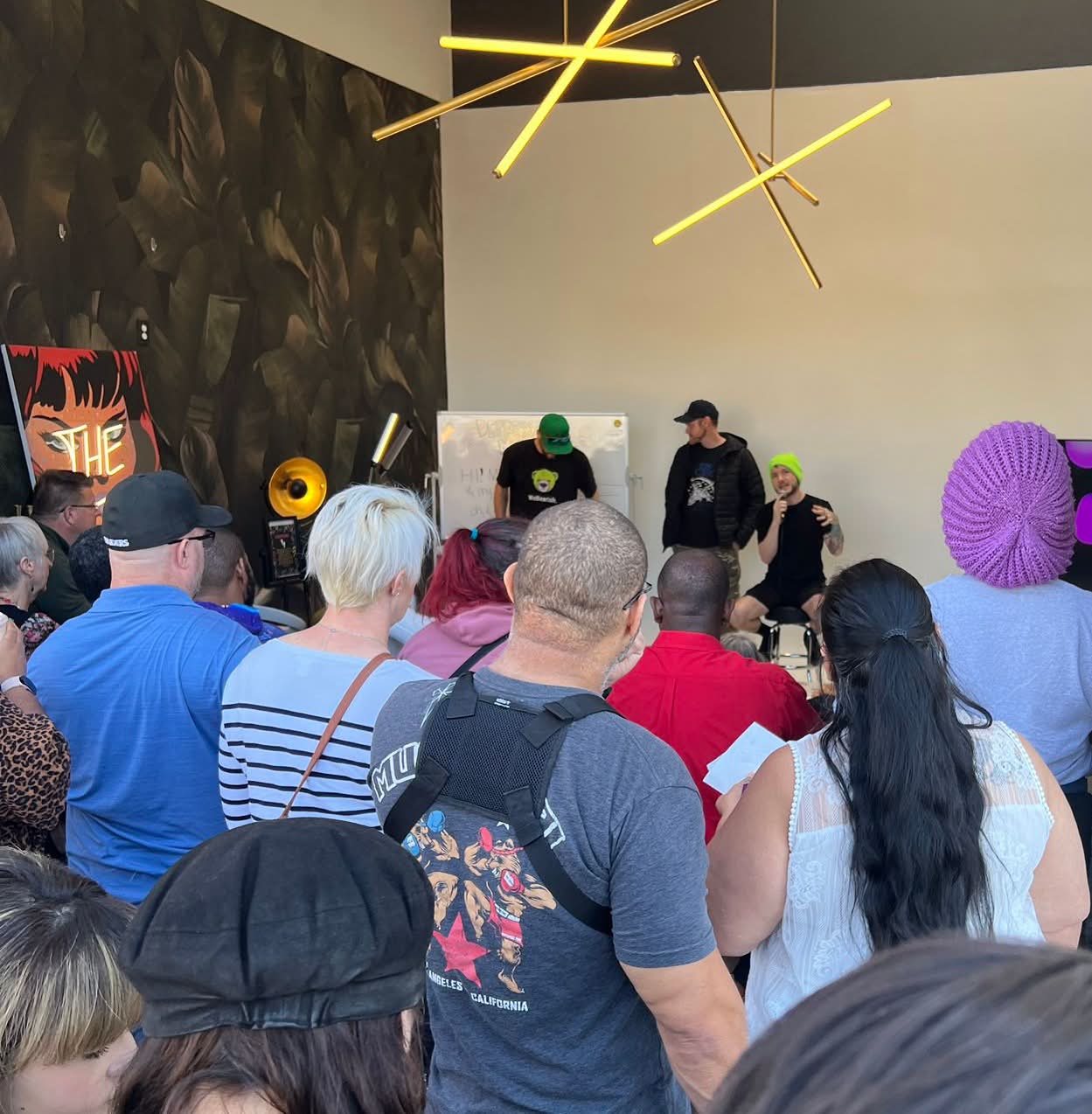
Five. Autistic leadership in operations, not just on the board. The founders are autistic, the operators are autistic, the writers are autistic, the people running the popups are autistic. Where we work with allistic clinicians, lawyers, contractors, accountants — and we will work with all of those — the relationship is collaboration, not authority deference. The autistic adults make the operational calls.
What I am asking
If you are autistic and you have been waiting for an organization that does not require you to be the educator, the diplomat, or the inspiration — Autism Acceptance World is trying to be that organization. Show up however makes sense for you. Use the tools. Pledge a Movement Member tier if you can; contribute as a Skill Founder if you have hours to give instead of dollars. Tell us what we are getting wrong. Hold us accountable.
If you are an autism parent who has done the hard work of unlearning the rescue narrative, Autism Acceptance World is trying to be the organization you can show up for without being asked to apologize for your kid. The tools are for you. The resource library is for you. The pledge lanes are for you.
If you are an allistic ally, you are welcome here, and the work you can do is real. The Business Network, the financial support, the press placements, the political contacts — these are work that needs allistic allies who are willing to listen first and lead second. The room is yours to come into; just come in knowing whose room it is.
One last thing. I am writing this letter as Cash, the autistic founder. The next post on this blog will be written by another autistic voice on the team. We are not building a personality brand around me. Autism Acceptance World is institutional from day one, and the institutional voice is many autistic voices, not one.
Thank you for being here. Let's build the thing.
— Cash